
Subscribe to our newsletter to receive 
the latest deals, trails and tales from Africa

Subscribe Popup

How did you hear about us? (optional)

I'm a travel agent

By submitting this form, you agree to Bench Africa’s Privacy Policy.

Request this brochure to be posted to you

Brochure Postage

Postage details

How did you hear about us? (optional)

I'm a travel agent

By submitting this form, you agree to Bench Africa’s Privacy Policy.

Request this brochure download

Brochure Download

How did you hear about us? (optional)

I'm a travel agent

By submitting this form, you agree to Bench Africa’s Privacy Policy.

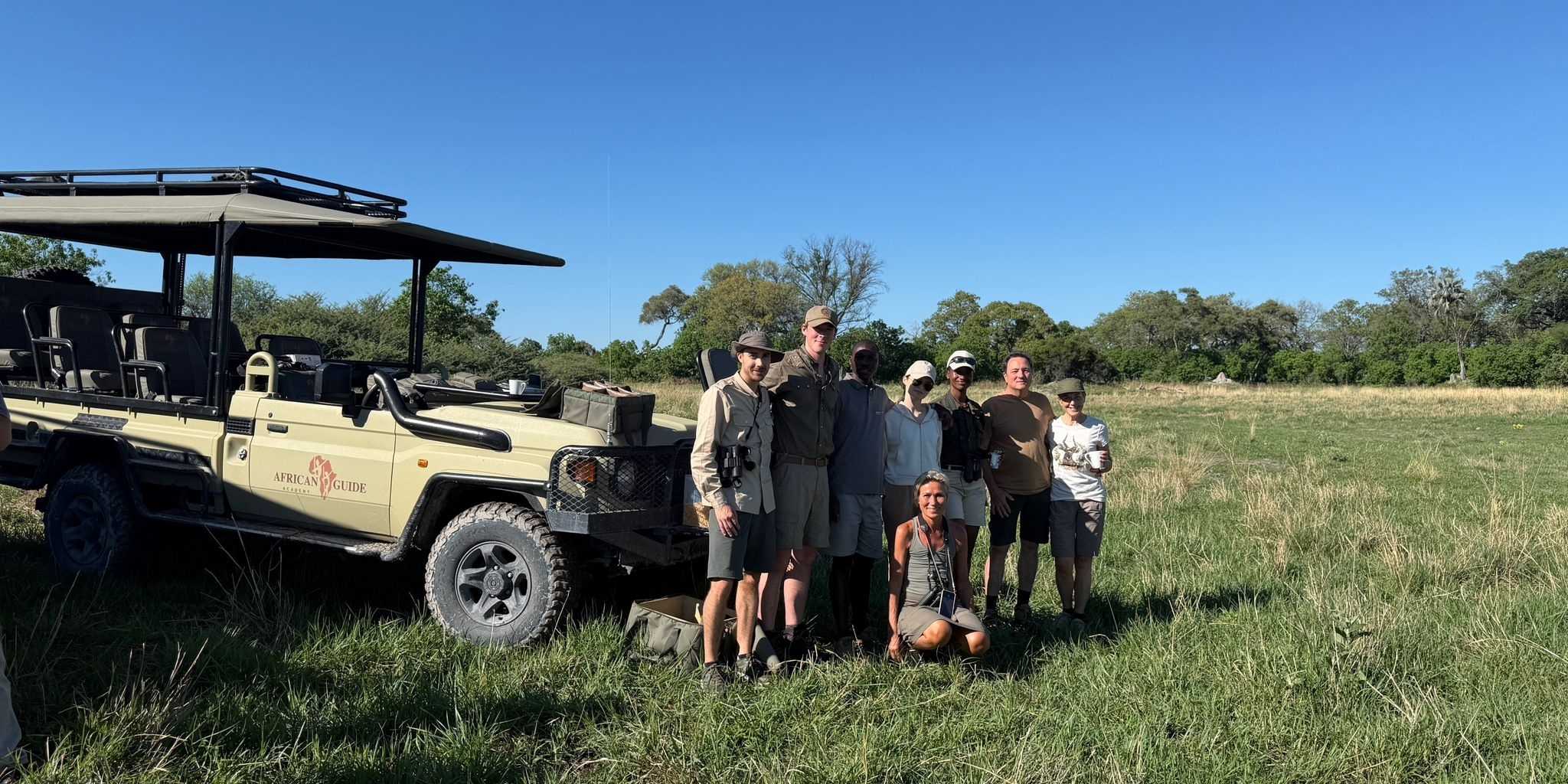
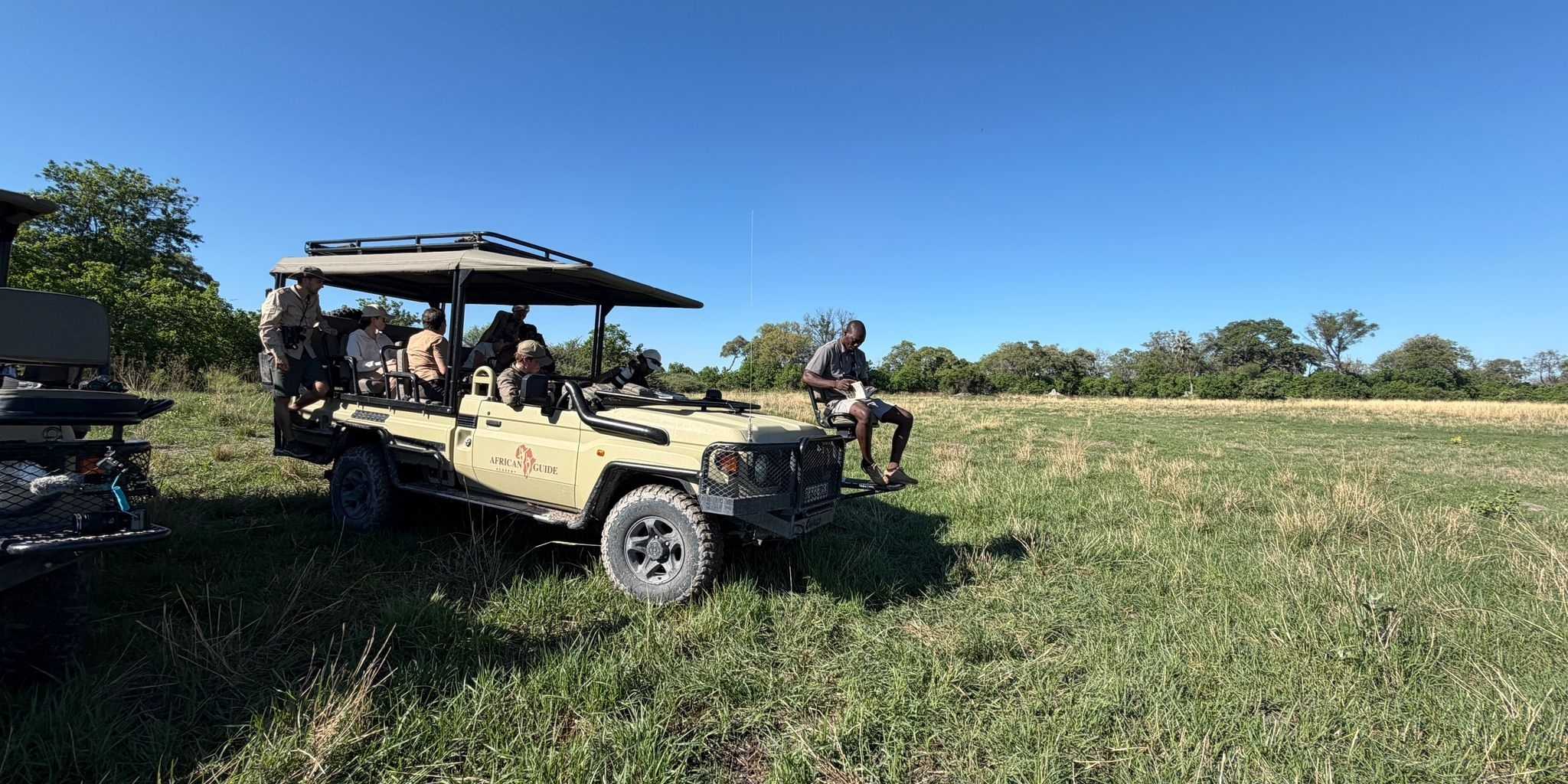
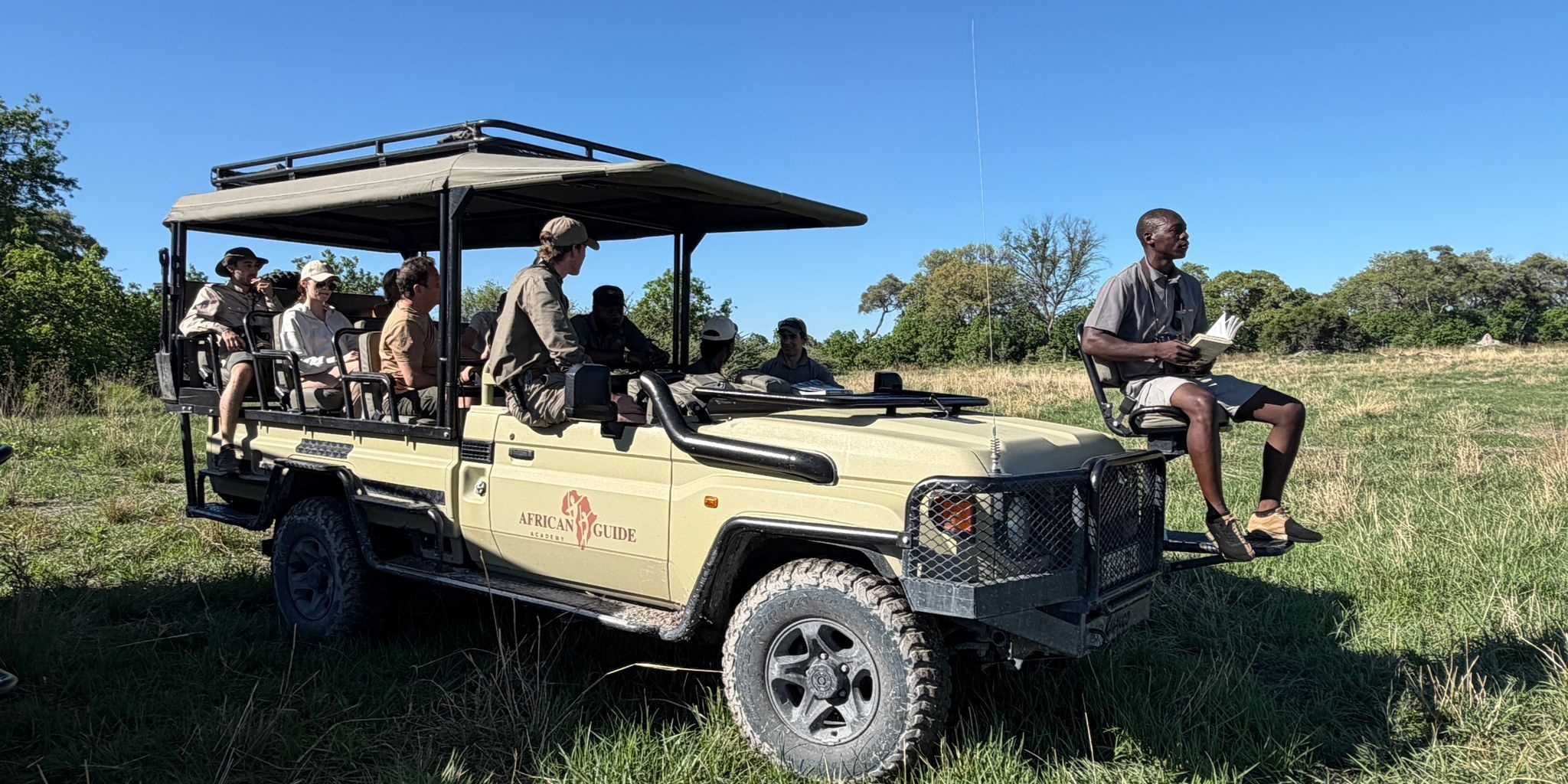
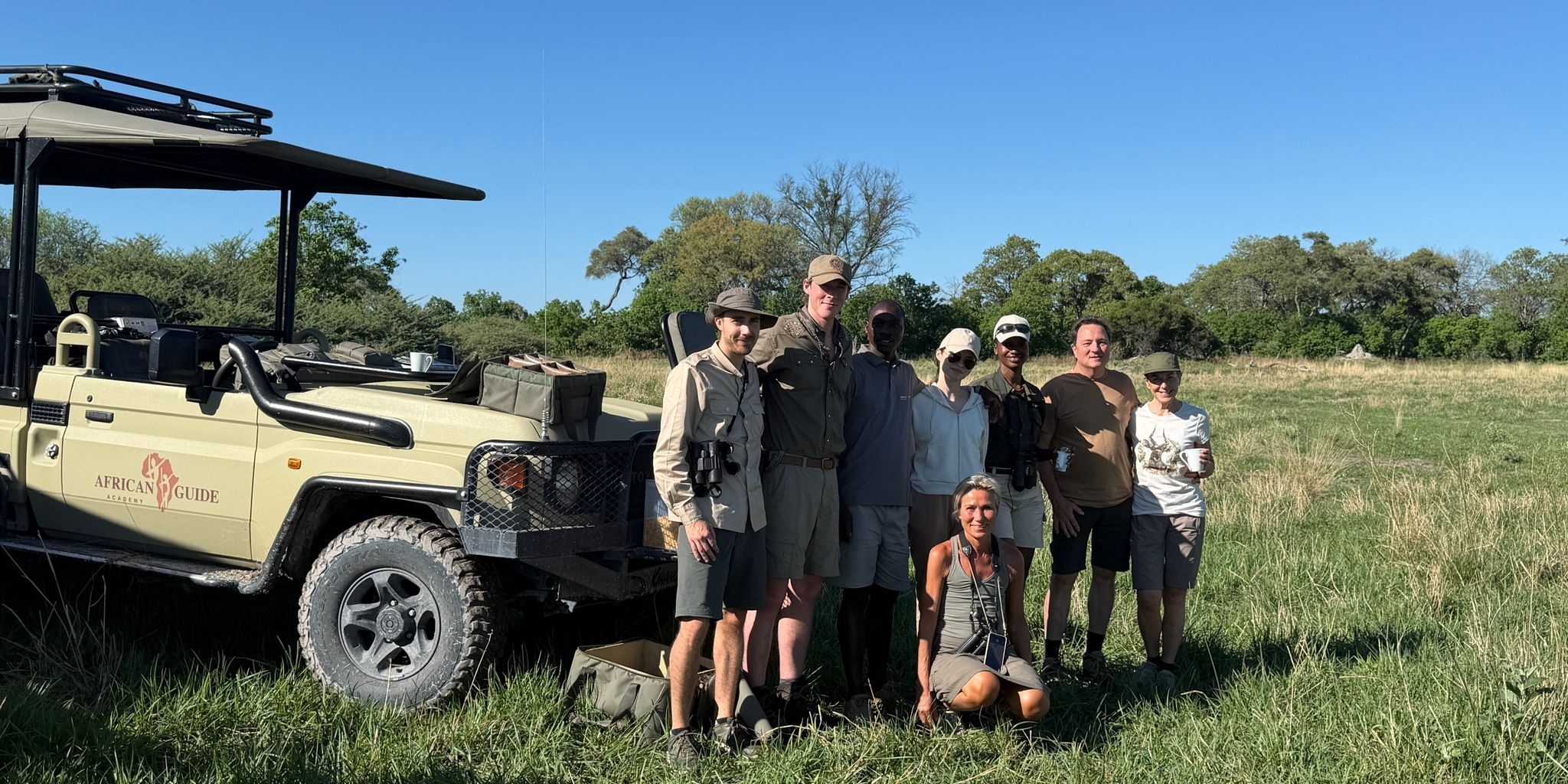
Kwapa Concession group picture of class from game drive training

Nature Guide Course

  • 28 Days
    • Botswana
    • Small Group Tour
From

Trip summary

Rating
Duration
Days 28 Days
Travel Style
Travel Style
  • Small Group Tour
Destination
Destination
  • Botswana
From

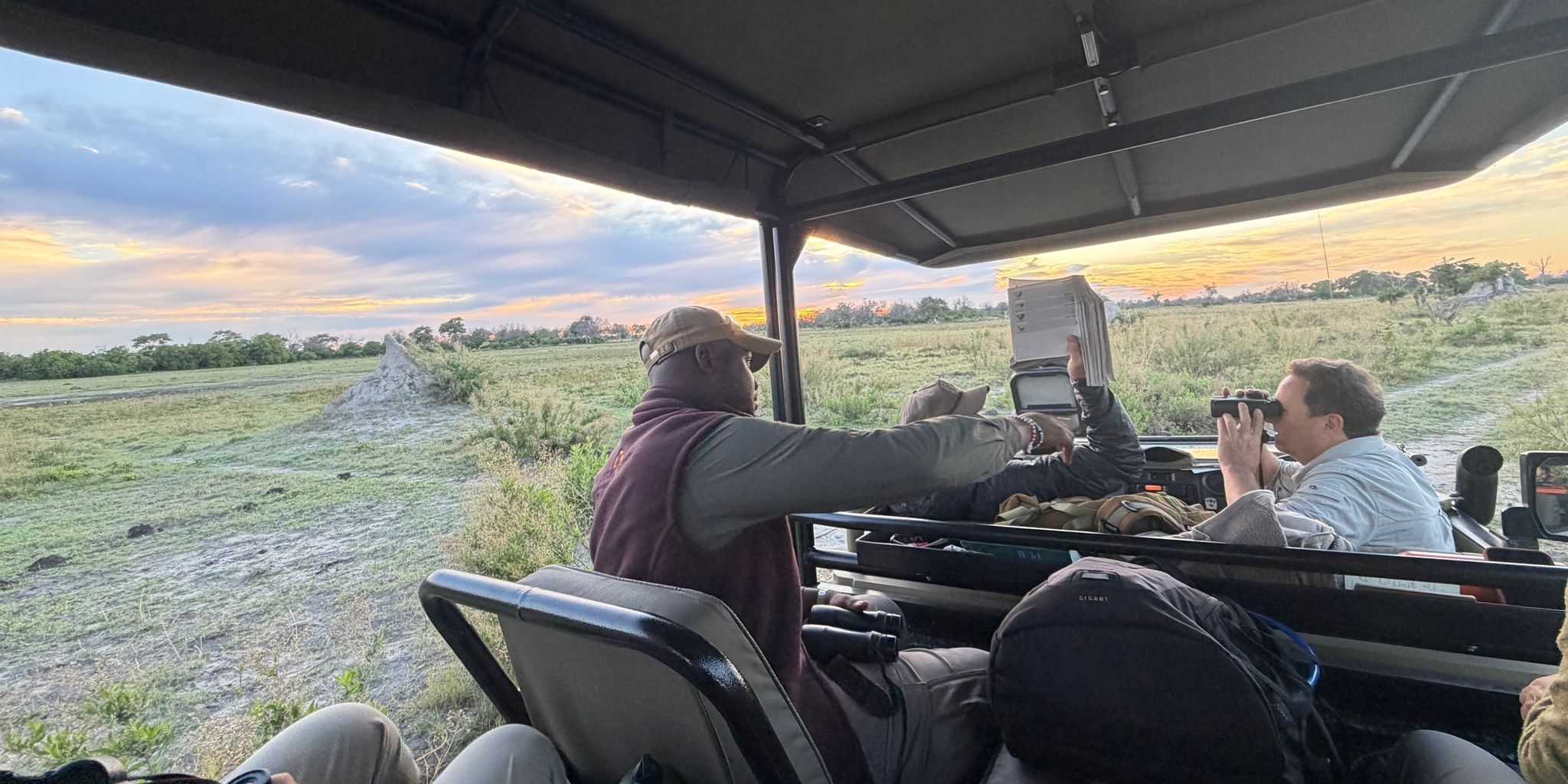
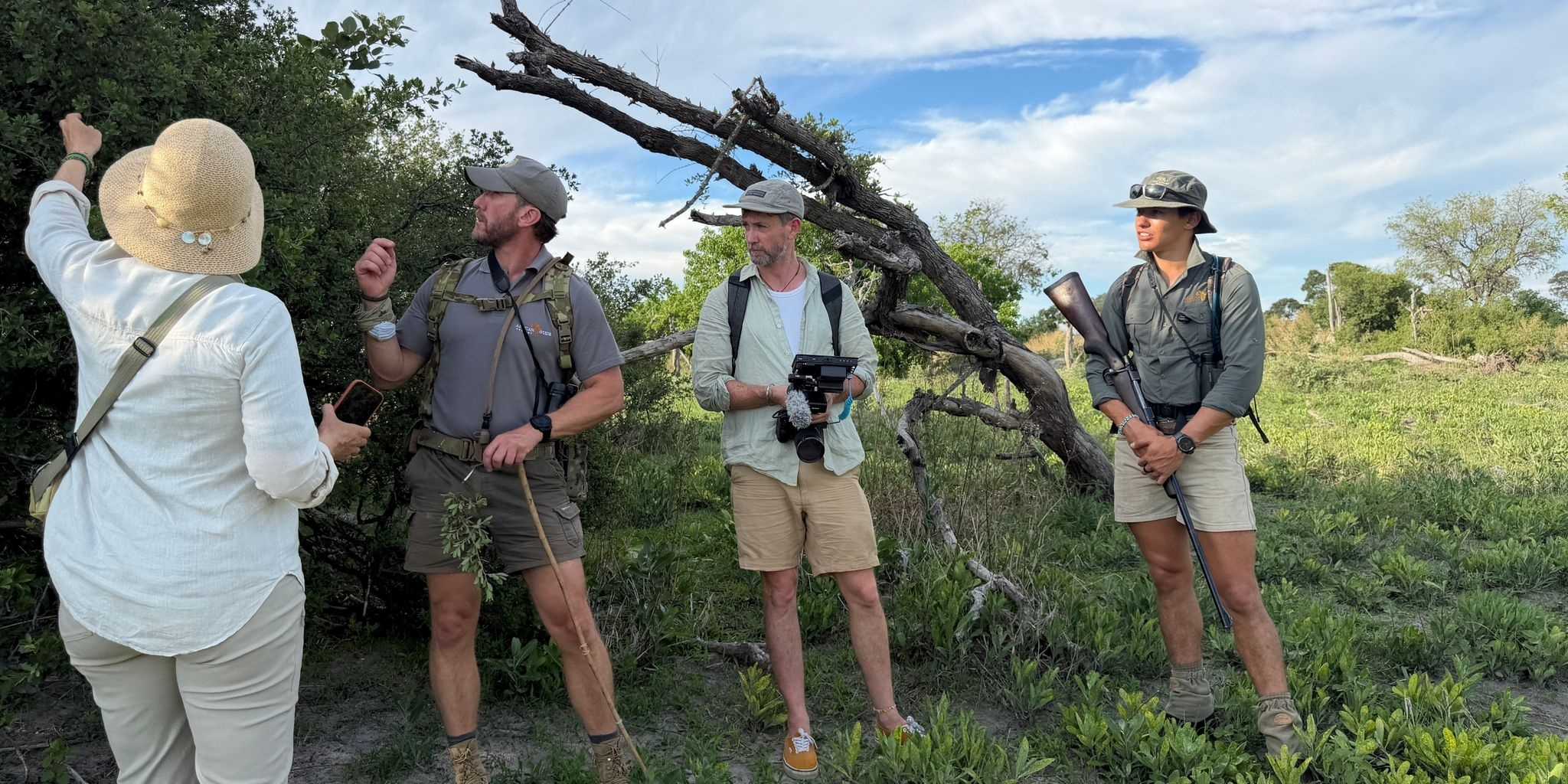
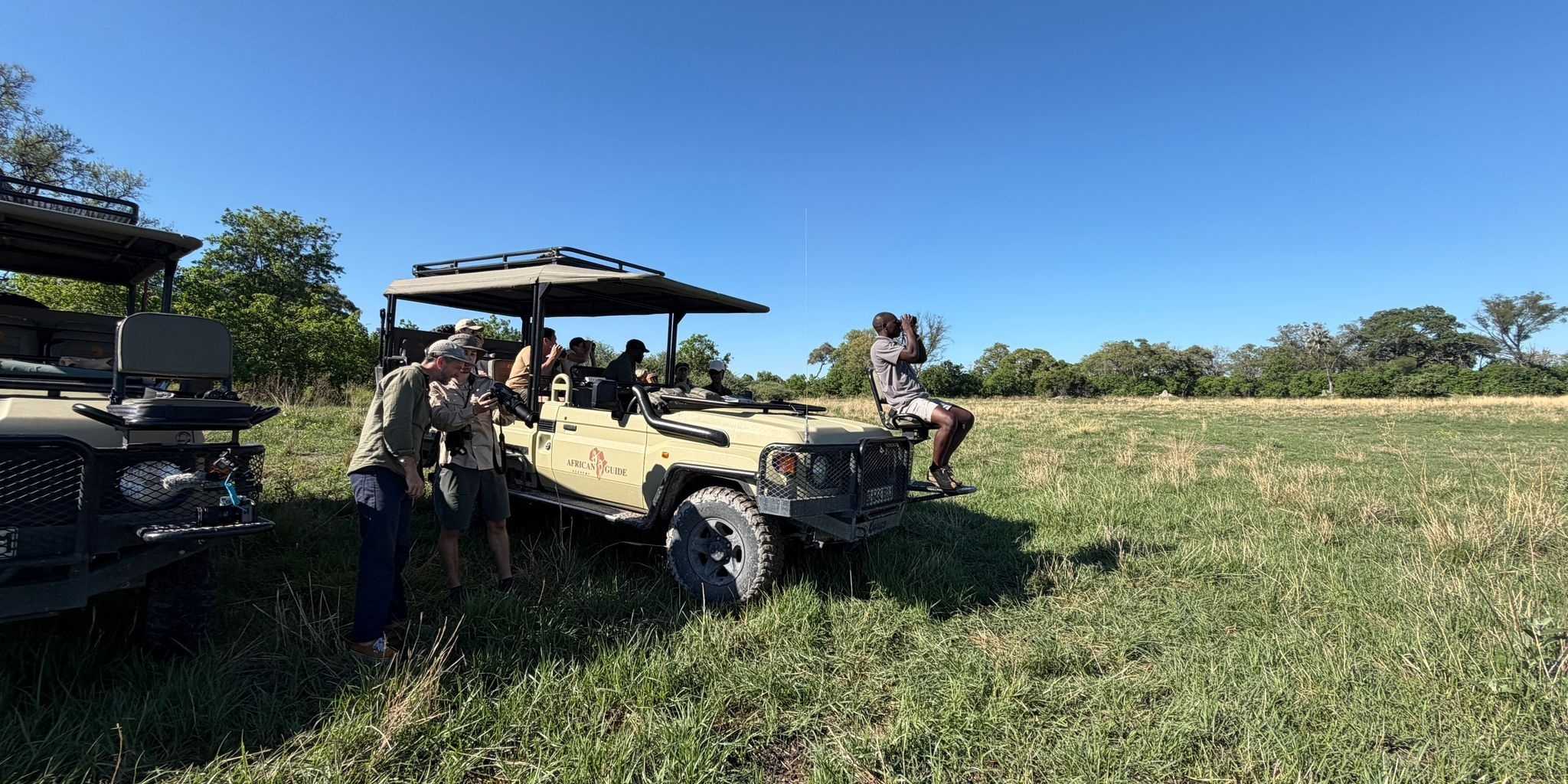
Spend four weeks living and learning in the Okavango Delta’s wilderness at Kwapa Training Camp. This 28‑day program combines practical field experience, game drives, walks, tracking, birding, mokoro or boating when water levels allow, with essential theory in ecology, geology, hydrology, weather, animal behaviour, and guiding skills.

Training follows a hands‑on approach, taking lessons directly into the bush and adapting daily activities to wildlife movements and conditions at Kwapa. Accommodation is in comfortable Meru‑style tents, with all meals provided. By the end of the month, participants develop strong ecological knowledge and guiding competencies aligned with FGASA/BQA Nature Guide pathways while gaining a deep connection to the Delta environment.

Trip itinerary

Day 1

Arrive in Maun and transfer by road to Kwapa Training Camp in the private NG30 concession. Settle into your Meru‑style tent, meet your instructors and group, and receive a safety briefing and course overview. The remainder of the day is for settling in and preparing for the field‑focused program ahead. (LD)

Accommodation: 27 nights – Kwapa Training Camp

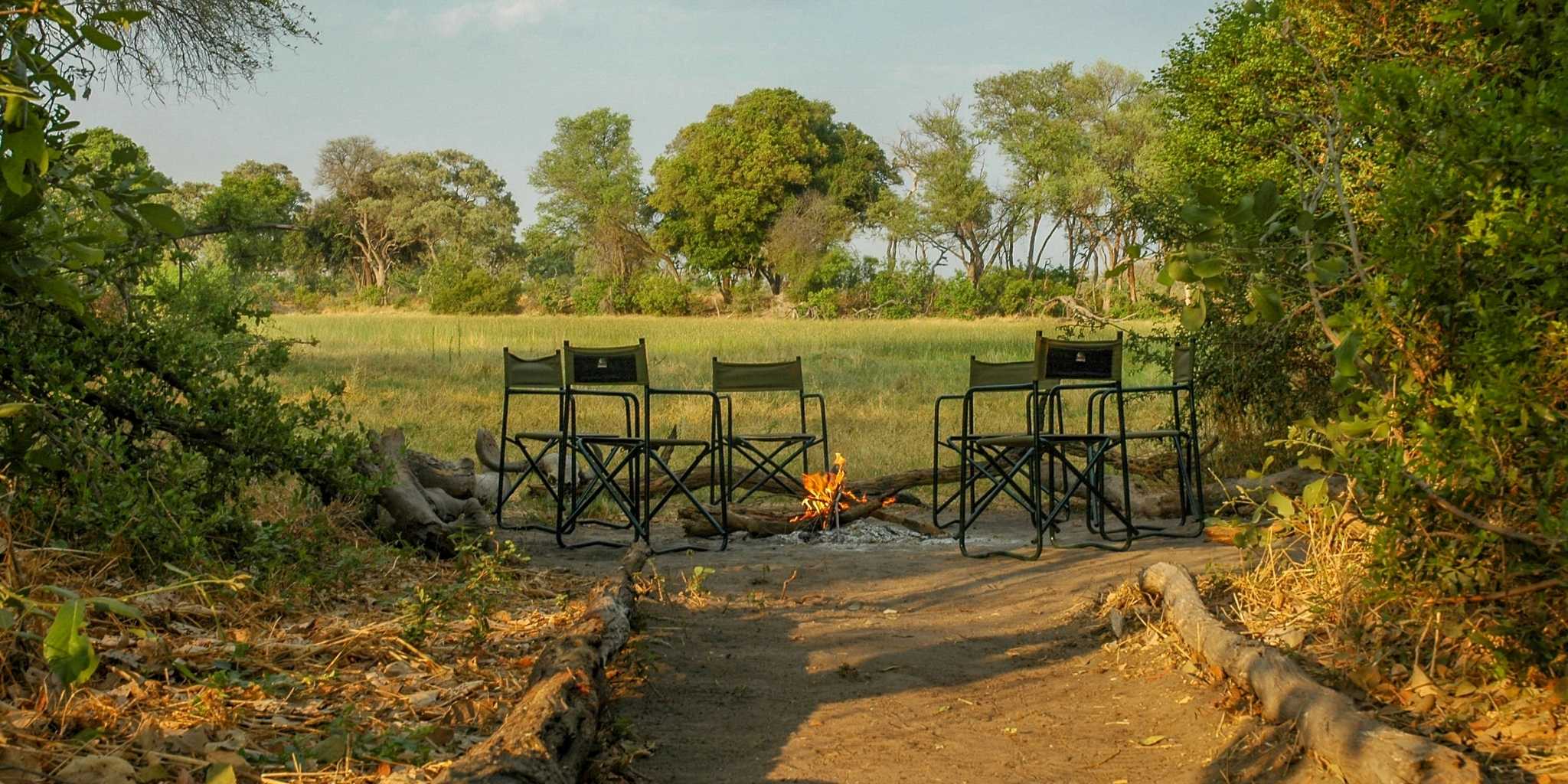
Kwapa Training Camp consists of Meru‑style safari tents with en‑suite bucket showers, flush toilets and a small verandah. The camp is designed for practical, hands‑on field training in a wilderness setting. Program flow adapts to wildlife movements and seasonal water levels. (Simple, comfortable, shared basis unless otherwise arranged.)

Day 2

Introduction to guide ethics, safety and guest care. Overview of Okavango habitats and ecological processes (flood pulse, seasonal dynamics). Morning game drive skills: radio etiquette, positioning, and sighting management. Afternoon bird and mammal ID fundamentals. Evening campfire debrief. (BLD)

Day 3

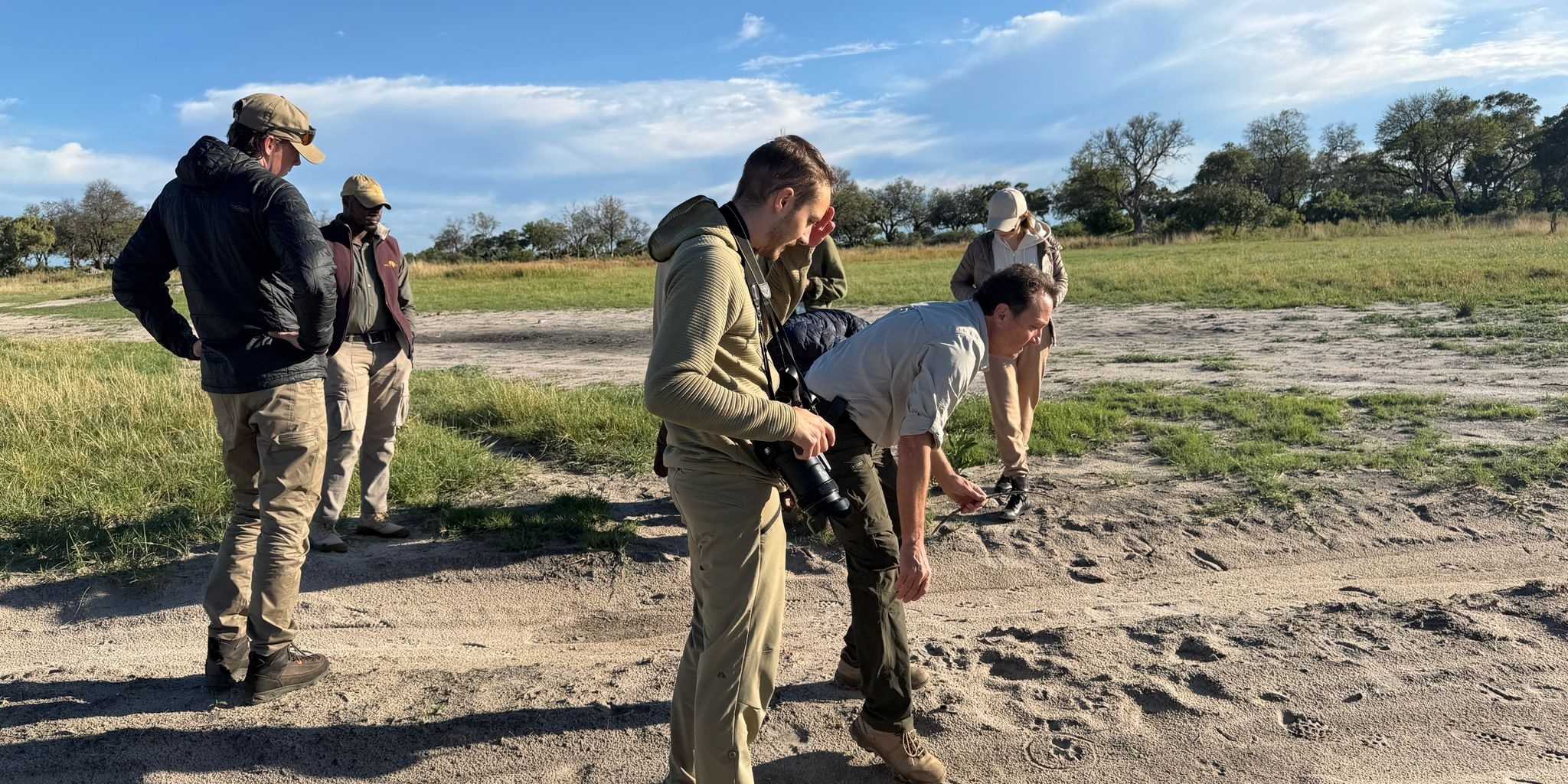
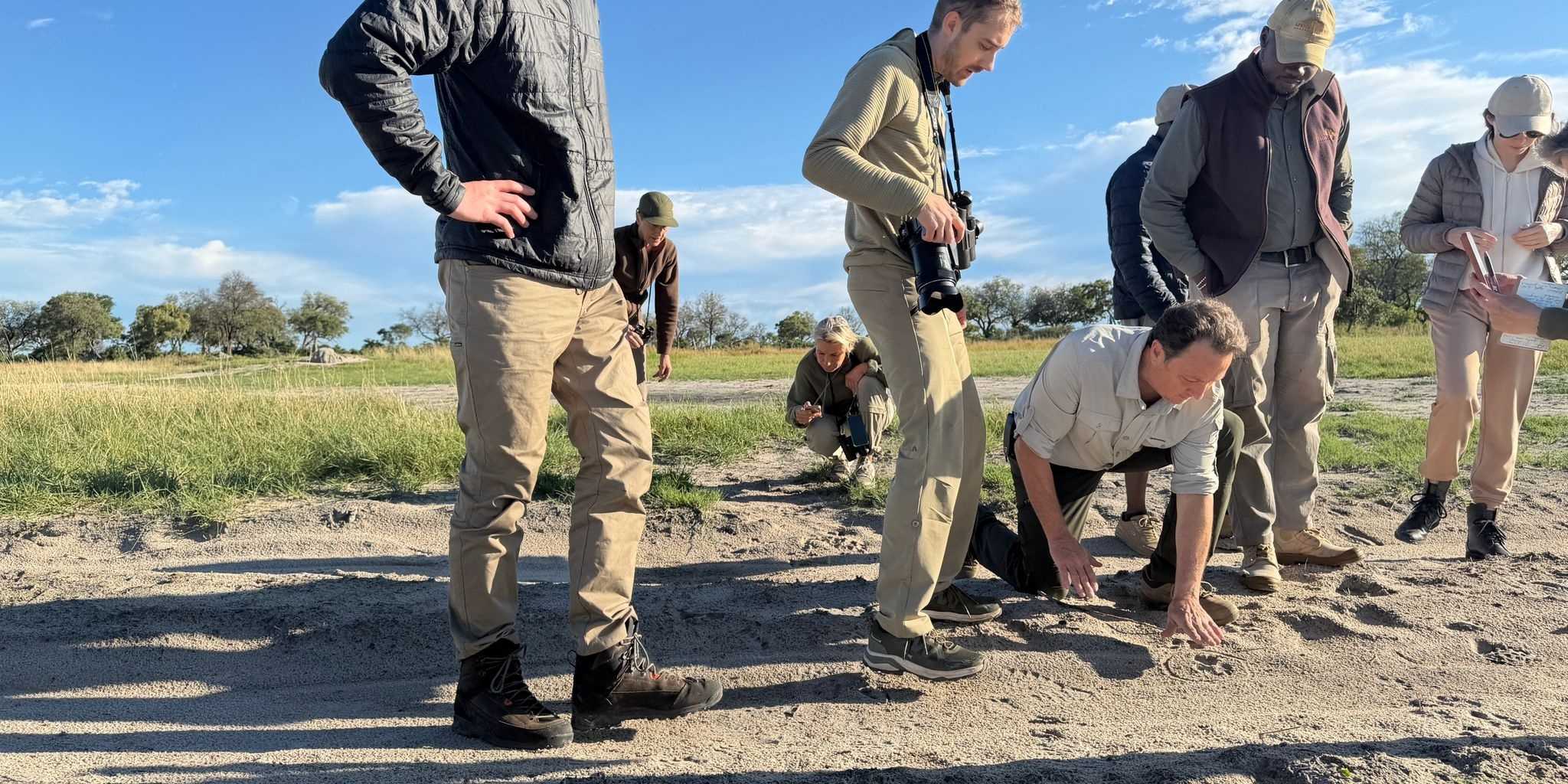
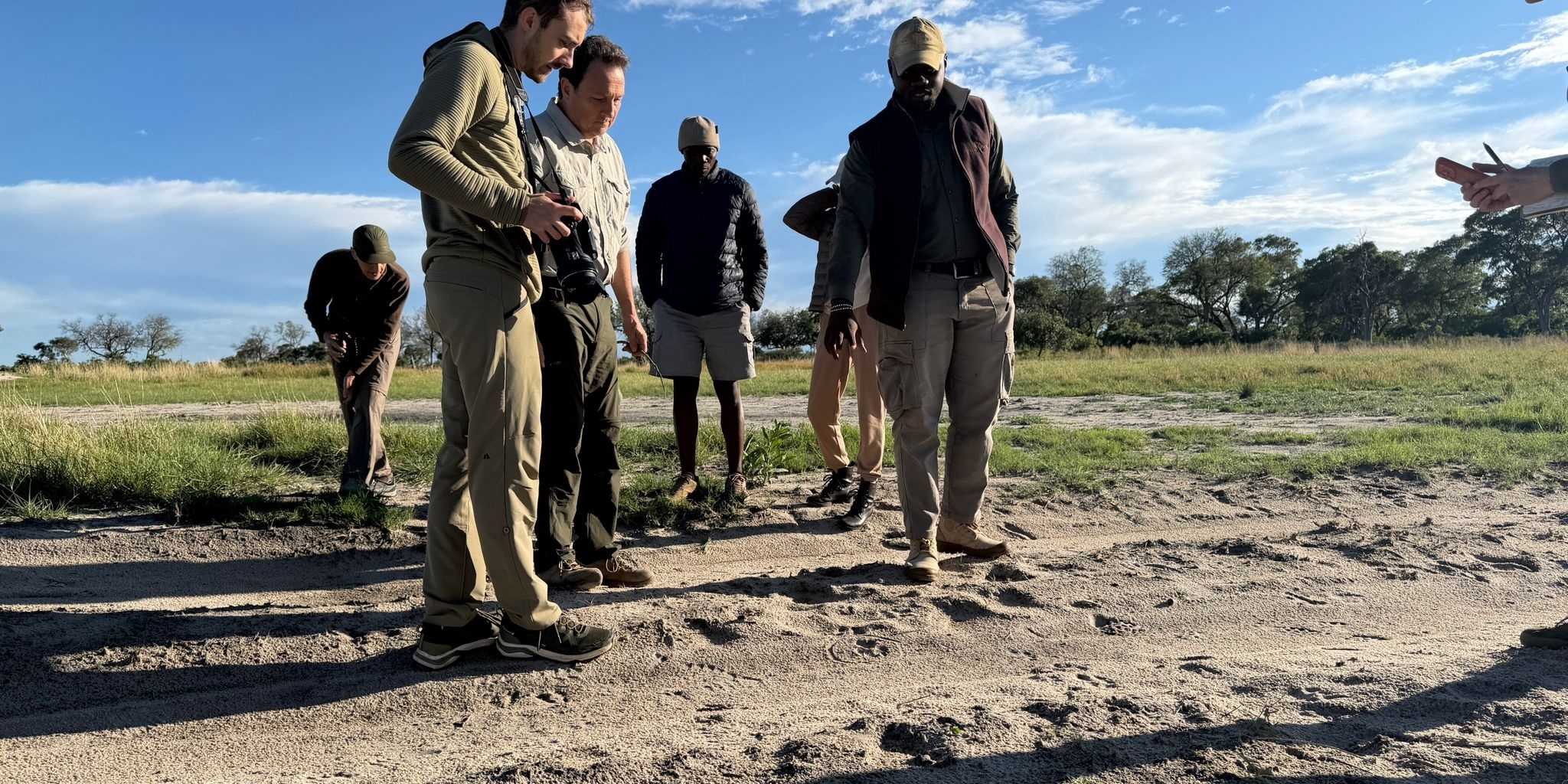
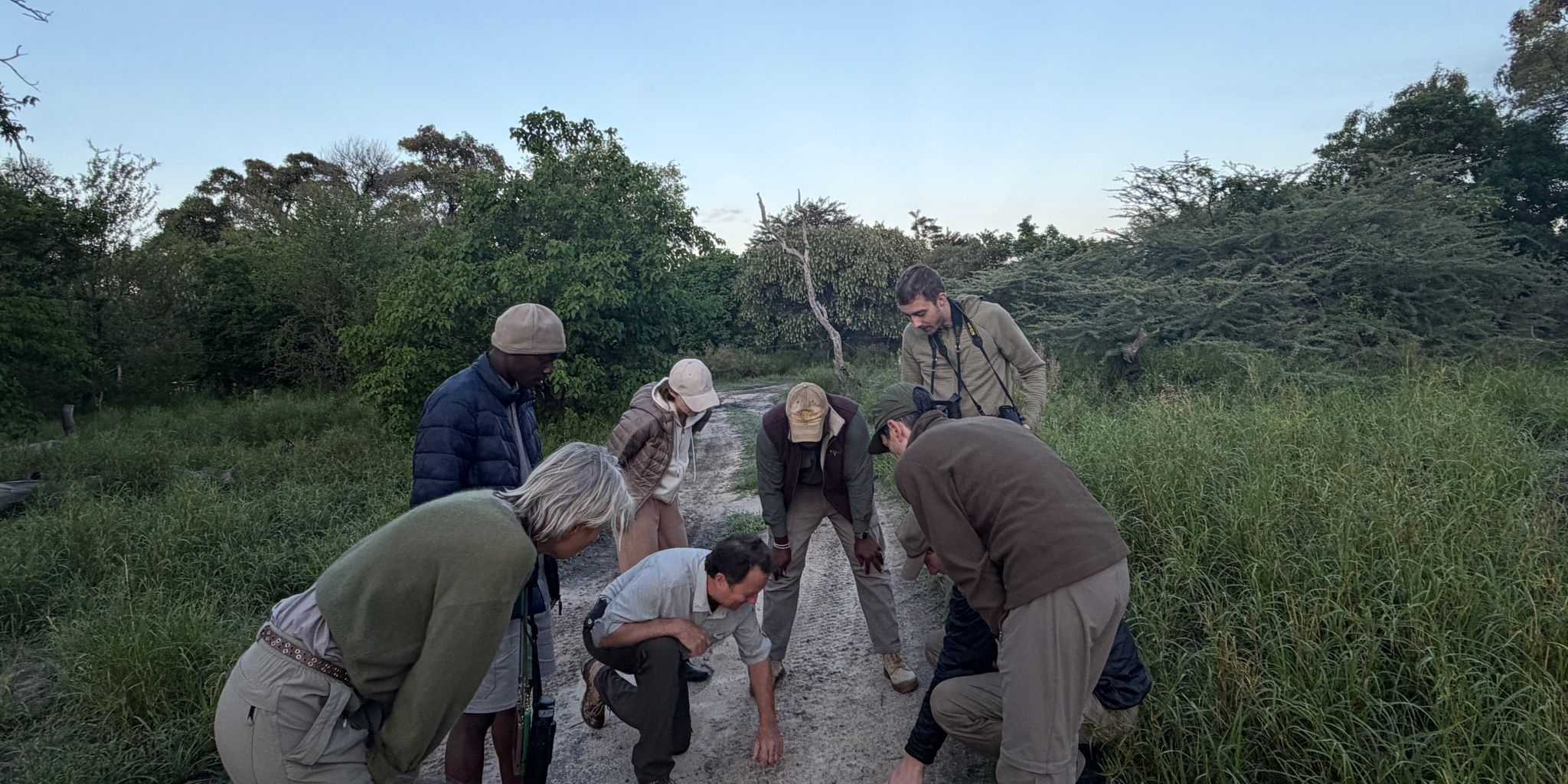
Practical spoor identification and substrate reading on foot. Ageing tracks and interpreting behaviour from sign. Afternoon game drive applying tracking to locate wildlife. Optional astronomy orientation after dinner (clear skies permitting). (BLD)

Day 4

Theory session: Kalahari sands, island formation, soils and how they shape vegetation. Field practical: plant ID, adaptations, and browse/graze indicators. Late‑day drive focusing on habitat‑based wildlife predictions. (BLD)

Day 5

Delta hydrology and aquatic food webs. Practical: channel edges and floodplains; reading water‑dependent tracks. Short mokoro or boating segment when levels allow; otherwise extended terrestrial practical. (Conditions permitting.) (BLD)

Day 6

Guest briefings and risk assessment. Building interpretive stories that connect ecology, behaviour and culture. Afternoon game drive led by students with instructor feedback. (BLD)

Day 7

Bird ID by shape, behaviour and call; waterbirds vs. woodland species. Field practical with focus stops and journaling. Evening recap and call‑recognition drill. (BLD)

Day 8

Reading body language and pressure; approach/retreat protocols from vehicle and on foot. Practical drive applying viewing ethics and positioning for minimal disturbance. (BLD)

Day 9

Natural navigation (sun, wind, vegetation cues) and compass basics. Field exercise plotting simple routes on foot/vehicle. Afternoon reflection and skills consolidation. (BLD)

Day 10

Campcraft, safety, and low‑impact movement in sensitive habitats. Practical walk: pace, spacing, wind use and using cover. Evening stargazing session if conditions are clear. (BLD)

Day 11

Pre‑drive checks, sand and water crossings (when appropriate), recovery principles and track discipline. Student‑led drive with coaching on smooth, wildlife‑friendly driving. (BLD)

Day 12

Identification, safety and key ecological roles. Field stops to examine micro‑habitats and invertebrate sign. Afternoon drive focused on lesser‑seen species and interpretation. (BLD)

Day 13

Human history and culture of the Delta; respectful storytelling, photography etiquette and guest engagement. Scenario practice: handling sensitive sightings and guest expectations. (BLD)

Day 14

Knowledge review and practical feedback. Short walk for track‑and‑sign consolidation. Afternoon rest/admin and optional study clinic. (BLD)

Day 15

Focus on riparian zones: plants, fish, amphibians, waterbirds. Short mokoro/boating segment if water allows; alternative: shoreline ecology practical. Evening Q&A. (BLD)

Day 16

Trophic levels, hunting strategies and anti‑predator behaviour. Field practical linking tracks, kill sites and behavioural clues to real‑time sightings. (BLD)

Day 17

Weather systems, reading skies and planning activities around conditions. Night‑sky session: constellations relevant to navigation and storytelling (clouds permitting). (BLD)

Day 18

Students plan and conduct a full morning and afternoon activity (briefing, route choice, interpretation, guest care), with instructor observation and debrief. (BLD)

Day 19

Woody vs. grass ID; phenology and seasonal diets. Field practical connecting plant communities to herbivore distribution and tracks. (BLD)

Day 20

On‑foot awareness, spacing and route choice. Prepare minimalist sleep‑out kit and safety protocols. Evening walk to a simple bush sleep‑out (conditions and safety permitting). (BLD)

Day 21

Pre‑dawn listening and sign interpretation around the sleep‑out site. Return to main camp late morning. Afternoon rest/admin and reflective journaling session. (BLD)

Day 22

Role‑plays: diverse guest needs, ethical dilemmas, and managing sensitive sightings. Practicals on vehicle positioning for photography and interpretation pacing. (BLD)

Day 23

Okavango conservation issues, protected‑area mosaics and community partnerships. Field discussion linking theory to observed land‑use edges and wildlife corridors. (BLD)

Day 24

Advanced birding: behaviours, calls and habitat preferences; raptors and waterbirds emphasis. Afternoon practical with student‑led interpretation stops. (BLD)

Day 25

Integrated day: tracks and signs, habitats, behaviour, ethics and guest care across a full activity cycle. Students rotate roles (lead guide, spotter, interpreter). (BLD)

Day 26

Consolidated review of ecology, geology, hydrology, weather, botany, birds and mammals. Short drive/walk to polish interpretation and safety routines. (BLD)

Day 27

Observed guiding assessments (vehicle‑based and short on‑foot practical where appropriate), followed by one‑on‑one feedback and development planning. Closing campfire debrief. (BLD)

Day 28

Breakfast in camp. Scheduled road transfer from Kwapa Training Camp to Maun for onward travel. Timing is planned for typical flight connections and may vary by season and operations. (B)

Dates & pricing

Disclaimer

Prices shown are per person based on twin share. Seasonal supplements and minimum night requirement may apply. Solo traveller and extra night prices available on request. Luggage restrictions may apply. International flights not included.

Filter by

Departures Twin Price (AUD) Single Price (AUD)
06 Feb 26 $16,815 $21,830
03 Apr 26 $16,815 $21,830
29 May 26 $16,815 $21,830
07 Aug 26 $16,815 $21,830
18 Sep 26 $16,815 $21,830
13 Nov 26 $16,815 $21,830

Please contact us if you are interested in this experience for the filtered dates.

0 dates selected

Filter by

Departures Twin Price (NZD) Single Price (NZD)
06 Feb 26 $18,496 $24,013
03 Apr 26 $18,496 $24,013
29 May 26 $18,496 $24,013
07 Aug 26 $18,496 $24,013
18 Sep 26 $18,496 $24,013
13 Nov 26 $18,496 $24,013

Please contact us if you are interested in this experience for the filtered dates.

0 dates selected

Filter by

Departures Twin Price (USD) Single Price (USD)
06 Feb 26 $10,930 $14,190
03 Apr 26 $10,930 $14,190
29 May 26 $10,930 $14,190
07 Aug 26 $10,930 $14,190
18 Sep 26 $10,930 $14,190
13 Nov 26 $10,930 $14,190

Please contact us if you are interested in this experience for the filtered dates.

0 dates selected

Disclaimer

Prices shown are per person based on twin share. Seasonal supplements and minimum night requirement may apply. Solo traveller and extra night prices available on request. Luggage restrictions may apply. International flights not included.

Send us an enquiry for more information

Experience

Personal details

Trip details (optional)

How did you hear about us? (optional)

I'm a travel agent

By submitting this form, you agree to Bench Africa’s Privacy Policy.

Selected trip dates

  • Nature Guide Course